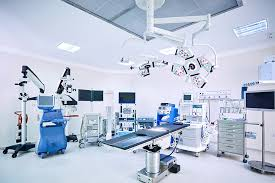
India’s healthcare system is built in layers. Each layer has a specific role. Together they form the foundation of medical services for the entire country. When these layers work smoothly people get timely care. When they break down patients face delays and avoidable problems.
Below is a simple explanation of how the system is organised and how each part works.
1. Sub-Centre (SC)
This is the first point of contact for people who live in villages.
A sub centre covers a small group of villages.
It is usually run by health workers who manage vaccinations basic treatment antenatal care and health awareness programs.
Main purpose:
- Basic preventive care
- Support for mothers and children
- Early detection of illnesses
2. Primary Health Centre (PHC)
A PHC is the first formal medical centre with a doctor.
It covers a larger rural area than a sub centre.
PHCs offer outpatient treatment simple procedures pregnancy care and small emergencies.
Main purpose:
- Basic medical treatment
- Minor injuries
- Routine tests
- Referral to higher centres
3. Community Health Centre (CHC)
A CHC is a bigger facility.
It has more doctors and better equipment.
It works as the first referral centre for PHCs.
CHCs offer specialist services in fields like surgery medicine gynaecology and paediatrics.
Main purpose:
- Handling moderate emergencies
- Normal surgeries
- Specialist visits
- Stabilising serious patients
4. Sub-District Hospital
This hospital handles cases that CHCs cannot manage.
It has more beds and better diagnostic support.
These hospitals receive a steady flow of patients because many rural areas rely on them for serious cases.
Main purpose:
- Better diagnostics
- Inpatient care
- Advanced emergency support
5. District Hospital
Every district in India has a district hospital.
It is the main government hospital for the region.
It handles major surgeries trauma critical care and specialised treatment.
Many district hospitals now run medical college training programs.
Main purpose:
- Major surgeries
- ICUs
- Blood banks
- Specialist departments
- Teaching and training in some districts
6. Medical College Hospitals
These hospitals are attached to government or private medical colleges.
They have advanced facilities and a large number of specialists.
They also train MBBS and postgraduate doctors.
Main purpose:
- Supervised treatment by senior doctors
- Complex surgeries
- Advanced diagnostics
- Medical education
7. Tertiary Care and Super Speciality Hospitals
These hospitals are found mostly in big cities.
They offer the highest level of care.
AIIMS and other major institutes belong to this level.
They have advanced ICUs organ transplant units cardiac care neurosurgery units and modern research labs.
Main purpose:
- Life saving treatment
- Specialised surgeries
- Organ transplant
- Research and innovation
How Medical Administration Works
India’s healthcare administration has a structured system:
Central Government: Handles national programs research policies and institutes like AIIMS.
State Government: Manages district hospitals medical colleges state health programs and hiring of doctors.
Local Administration: District collectors and health officers supervise district hospitals CHCs and PHCs.
National Health Programs
India runs many programs under public health including
- TB control
- Immunisation
- Maternal and child health
- Vector control
- Non-communicable diseases
Ayushman Bharat System
This includes:
- Health and Wellness Centres in villages and towns
- Pradhan Mantri Jan Arogya Yojana for free treatment up to ₹5 lakh for poor families
Challenges in India’s Health Infrastructure
- Shortage of doctors in rural areas
- Difference in urban and rural facilities
- Limited emergency care in villages
- Overcrowding in district hospitals
- Need for better technology use
- Uneven distribution of medicines and equipment
Conclusion
India’s healthcare system is large and layered. From sub centres in small villages to super speciality hospitals in metro cities every level has an important role. Building strong links between these levels can improve treatment for millions and reduce the gap between rural and urban health services.