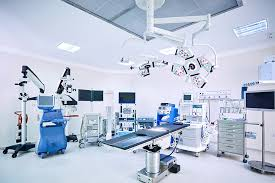
India’s healthcare system shows a clear contrast. In many cities you will find large hospitals with advanced machines and specialist doctors. These buildings often look similar to hospitals in developed countries. In many rural areas the situation is very different. Hospitals there still struggle with basic facilities. Many face a shortage of staff and do not have enough medical supplies or equipment. This difference is not small. It affects how fast a patient gets help. It also affects the quality of care and in some cases it can decide whether a patient survives or not.
Infrastructure: The Most Visible Gap
Urban hospitals, especially those in metro cities generally have better buildings, modern equipment, and dedicated departments for emergency care, intensive care, diagnostics, and specialty wards. In contrast, many rural hospitals operate from older structures with limited beds, outdated equipment, and insufficient space for rising patient loads.
Urban hospitals often have:
- Advanced imaging machines (CT, MRI)
- Fully equipped ICUs
- Modern operating theatres
- Specialised departments
Rural hospitals commonly face:
- Shortage of beds
- Intermittent electricity and water supply
- Limited diagnostic equipment
- Overcrowded general wards
- Difficulty maintaining infrastructure
Availability of Doctors and Specialists
The distribution of medical professionals remains one of the biggest challenges:
Urban areas attract specialists due to better pay, research opportunities, private hospital jobs, and access to technology.
Rural areas struggle with:
- Shortage of specialists (gynaecologists, paediatricians, surgeons)
- Limited number of MBBS doctors
- High vacancy rates
- Doctors opting out of rural postings due to poor facilities and isolation
This imbalance often forces rural patients to travel long distances to district hospitals or metros.
Emergency and Critical Care
Urban hospitals have dedicated emergency rooms, trauma centres, and fully equipped ICUs with ventilators and trained staff.
In rural areas, emergency care is often limited to basic first aid or stabilisation. Critical patients frequently have to be referred to the nearest city, and delays during transport can turn treatable conditions into life-threatening ones.
Diagnostic Services
In most urban hospitals, patients can access:
- Digital X-rays
- CT/MRI scans
- Ultrasound
- Blood banks
- Well-equipped labs
Rural hospitals may lack even basic lab support after evening hours. Many rely on district facilities or private labs in nearby towns, delaying diagnosis and treatment.
Affordability and Accessibility
Ironically, while urban hospitals offer better care, they are often expensive.
Rural hospitals are usually more affordable but lack the necessary facilities.
Patients in rural areas also face:
- Long travel time
- Limited ambulance availability
- Poor road conditions
- Out-of-pocket costs during referrals
Technology and Digital Coverage
Urban hospitals use electronic records, telemedicine, robotic surgery in some cases, and AI-driven diagnostics.
Rural healthcare is improving with telemedicine initiatives but still hampered by patchy internet, lack of trained operators, and low digital literacy.
Pharmacy and Medicine Availability
Urban setups have 24/7 pharmacies with a wide range of medicines.
Rural hospitals often deal with medicine stock-outs, irregular supply chains, and limited drug availability forcing families to buy medicines from towns.
The Efforts to Narrow the Gap
India has launched many programmes to reduce the rural–urban healthcare divide, such as:
- Ayushman Bharat Health and Wellness Centres
- Telemedicine services
- Mobile medical units
- Strengthening district hospitals
- Incentives for doctors to serve in rural areas
Progress is visible, but the gap remains significant.
Conclusion
The difference between rural and urban hospital facilities is not only about location. It shows deeper social and economic gaps in our country. Urban areas have high tech medical care. Rural areas still struggle to get basic hospital services and specialist doctors. To reduce this gap India needs steady investment and a fair distribution of medical workers. We also need stronger referral systems and technology that can reach every village. Until these changes happen India will continue to function with two very different health systems under one nation.