
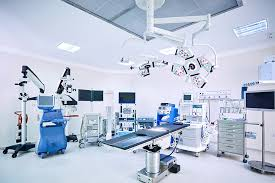
India’s healthcare system was already struggling before COVID-19. When the pandemic arrived it showed how deep these problems were. The crisis pushed the country to build new systems very quickly. Many things have improved but many gaps still remain. Some of these gaps are not talked about enough today even though they affect millions of people.
Below is a simple and clear look at the full picture.
1. Problems Before 2019 and During the COVID-19 Crisis
A. Low Number of Hospitals and Beds
Before the pandemic India did not have enough hospitals and beds for its population.
- India had only 0.5 hospital beds per 1,000 people.
- WHO recommends 3 beds per 1,000 people.
This shortage became dangerous during COVID waves.
B. ICU and Ventilator Shortage
Critical care was limited even in large cities.
- Many districts had no ICU beds at all.
- Ventilators were few and located mostly in metro hospitals.
Patients had to travel long distances for lifesaving care.
C. Shortage of Doctors
Even though India added many MBBS seats every year the number of practising doctors was still low.
- India had 1 doctor per 1,511 people, worse than WHO’s standard of 1:1,000.
- Rural India suffered the most. Many PHCs had zero MBBS doctors on duty.
D. Lack of Oxygen Plants and Supply Systems
One of the biggest failures during COVID was oxygen supply.
- Most hospitals depended on oxygen cylinders brought by trucks.
- Very few hospitals had on-site PSA oxygen plants.
This led to tragic shortages during the second wave.
E. Weak Primary Healthcare System
Before COVID primary health centres were under-staffed and poorly equipped.
Many had:
- no diagnostics
- no pharmacy stock
- no regular doctors
This pushed even simple cases to district hospitals causing overcrowding.
F. No Telemedicine System
Before 2020 there was no clear national telemedicine framework.
This made remote areas dependent only on physical visits and created delays in care.
G. Shortage of Medicines and PPE During COVID
When the pandemic began:
- PPE kits were limited
- N95 masks were scarce
- Hospitals struggled to supply basic medicines like steroids and antivirals
This made the early stages extremely risky for healthcare workers.
2. Government Steps and Improvements After COVID
COVID forced India to strengthen its medical system at a fast pace. Some of these changes are long-term gains.
A. Rapid Increase in Oxygen Infrastructure
The government installed over 1,200 PSA oxygen plants across districts.
Hospitals now have:
- oxygen pipelines
- oxygen generation rooms
- trained technicians (in many places)
This was a major improvement.
B. Growth of Hospital Beds and ICUs
New funds were used to build:
- ICU wards
- modular hospitals
- emergency beds
District hospitals in several states expanded capacity.
C. Health and Wellness Centres (HWC)
Under Ayushman Bharat thousands of HWCs were opened to strengthen primary care.
They now provide:
- screenings
- basic medicines
- teleconsultations
- follow-up care
This made healthcare more accessible.
D. Telemedicine Services
The government launched eSanjeevani, which has delivered millions of online consultations.
Telemedicine is now a part of routine care across many states.
E. Higher Medical Spending After COVID
Budget for health increased during pandemic years.
More funds went to:
- rural health missions
- medical college upgrades
- district hospital improvements
F. More MBBS Seats and New Medical Colleges
India now has more MBBS seats than ever before.
Many states added new government medical colleges in underserved districts.
3. Problems That Still Continue : But Hardly Anyone Talks About Them
Even with improvements many issues remain. These do not receive the attention they deserve.
A. Oxygen Plants Not Maintained
Many PSA plants installed during the pandemic are now:
- lying idle
- Not serviced
- Lacking spare parts
Without proper maintenance they may fail again in a crisis.
B. Uneven Distribution of Doctors
India has more doctors on paper but rural India still struggles.
- Urban areas have far more specialists
- Many rural hospitals still have only one doctor
- Some PHCs still function with no MBBS doctor
This makes healthcare unequal.
C. Infrastructure Built but Staff Not Posted
- Some new hospitals or wings exist only “on paper”.
- Buildings opened but no doctors were posted.
- ICUs built but without trained nurses.
- Equipment installed but not used
These are silent problems.
D. Shortage of Nurses and Technicians
India does not have enough:
- ICU nurses
- Lab technicians
- Biomedical maintenance staff
Infrastructure without staff cannot save lives.
E. Telemedicine Works but Internet Doesn’t
Telemedicine expanded but many rural areas still face:
- Poor connectivity
- Lack of devices
- No trained operator in HWCs
So the service does not reach everyone.
F. Increase in MBBS Seats but Not Enough PG Seats
India increased MBBS seats but PG seats did not grow at the same pace.
This leads to:
- Long delays in specialisation
- Many doctors focusing only on exam preparation instead of practice
- Shortage of trained specialists
G. Broken Referral System
Patients still move on their own from PHCs to CHCs to district hospitals.
There is no structured referral tracking.
This causes delays and overcrowding.
H. Mental Health Infrastructure Still Weak
COVID created a mental health emergency but:
- Most districts do not have full mental health teams
- Psychiatry departments in many hospitals are understaffed
- Awareness is low
I. Public Health Not Integrated into Routine Governance
India still treats public health as crisis management rather than a daily responsibility.
This weakens preparedness.
Conclusion
India made real progress after COVID. Oxygen plants, new hospitals, digital care and stronger primary care centres are valuable assets. But many older problems still continue. Rural areas lack doctors. Many new facilities lack trained staff. Oxygen plants need regular maintenance. Infrastructure gaps remain hidden unless another emergency exposes them.
To build a strong health system India now needs long term planning, consistent investment and a focus on quality not only quantity. The next decade must turn emergency responses into permanent systems that work every day, not just during crises.
17sewp